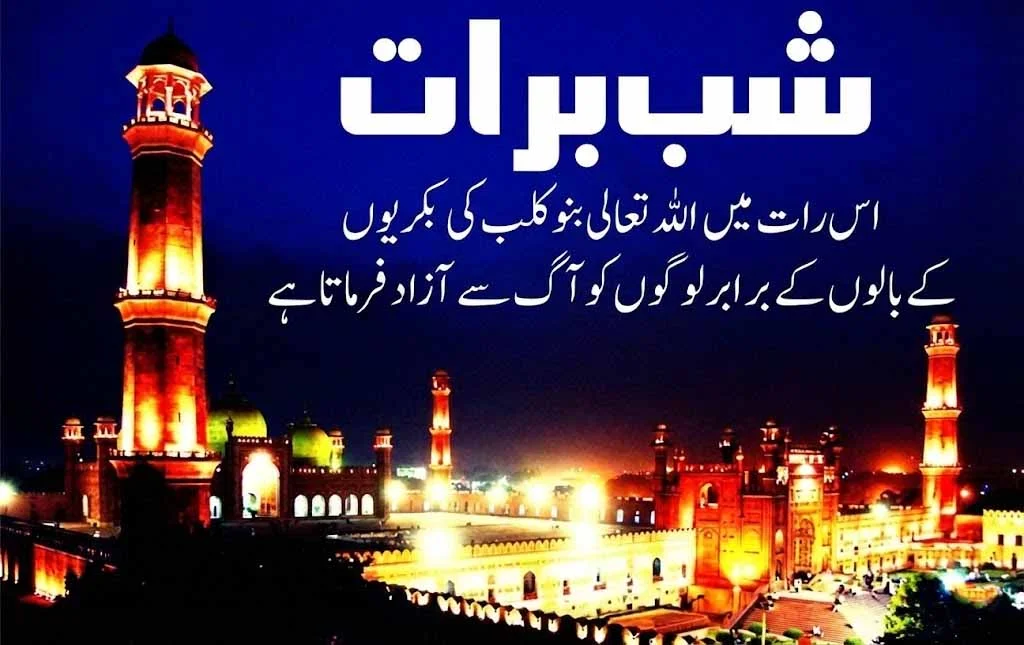
Shab e Barat is observed on the 15th night of Sha’ban, the 8th month of the Islamic calendar. In Pakistan, India, Saudi Arabia, Turkey, and many other Muslim countries, millions of Muslims spend this night in prayer. According to authentic Hadith recorded in Sunan Ibn Majah (Hadith 1389) and Tirmidhi (Hadith 739), Allah looks upon His creation on the night of mid-Sha’ban and forgives many people except those involved in shirk or deep hatred. This is why Muslims increase nawafil, dua, and repentance on this night.
The Islamic date changes after Maghrib. That means Shab e Barat begins at Maghrib on 14 Sha’ban and continues until Fajr of 15 Sha’ban. Understanding the correct prayer time and authentic practices matters more than following unverified rituals.
When Does Shab e Barat Prayer Time Start?
Shab e Barat prayer time starts immediately after Maghrib on 14 Sha’ban and continues until Fajr.
There is no fixed compulsory prayer called “Shab e Barat namaz.” Instead, Muslims offer:
- Nafl prayers
- Tahajjud
- Recitation of Qur’an
- Salat ul Tasbeeh
- Personal dua and repentance
You may pray after Maghrib, after Isha, or in the last third of the night. The last third of the night holds special importance in general Islamic teaching, as mentioned in Sahih Bukhari regarding Allah’s mercy descending in the final portion of the night.
Is There Any Special Hadith About Shab e Barat?
Yes. Scholars reference several narrations about the 15th of Sha’ban.
One commonly cited narration from Sunan Ibn Majah (1389) states that Allah forgives people on this night except:
- A polytheist
- A person who holds grudges
However, scholars differ regarding the strength of individual narrations. Many Hadith scholars, including Imam Albani, graded some narrations as Hasan (acceptable) collectively due to multiple chains. No authentic Hadith fixes a specific number of rakats.
So the key understanding is simple:
This night is mentioned in Hadith, but specific ritual formats with fixed rakats are not proven from the Prophet ﷺ.
Shab e Barat Namaz Rakats – What Is Correct?
There is no authentic Hadith that prescribes:
- 6 specific nawafil after Maghrib
- 100 rakats
- Any fixed structure
Muslims may offer any number of voluntary (nafl) rakats, just like other nights.
Here is a simple understanding table for clarity:
What Is Confirmed and What Is Not
| Practice | Authentic Proof Status | Explanation |
|---|---|---|
| Nafl prayer at night | ✔ Confirmed | Voluntary night prayer is always allowed |
| Tahajjud | ✔ Confirmed | Highly recommended throughout the year |
| Fixed 6 nawafil after Maghrib | ✖ Not proven | No sahih Hadith specifies this |
| 100 rakats special prayer | ✖ Weak narrations | Scholars consider it unauthentic |
You may pray 2, 4, 6, 8 or more rakats as nafl, but do not believe any specific number is compulsory.
Shab e Barat Namaz Niyat (Intention)
Islam does not require verbal niyat. The intention stays in the heart.
For example:
- “I intend to pray 2 rakats nafl for the sake of Allah.”
That is sufficient. There is no specific Arabic wording required for Shab e Barat.
If someone says they must read a particular niyat for 6 nawafil, that claim lacks authentic evidence. Intention in Islam is internal, not ritualistic wording.
Shab e Barat Nafl After Maghrib
Many Muslims in South Asia pray 6 nawafil after Maghrib with different intentions:
- For long life
- For protection
- For independence from others
However, scholars clarify that this exact format does not come from authentic Sunnah. If someone prays nafl after Maghrib seeking Allah’s mercy, that is allowed. But attaching fixed beliefs to specific rakats requires authentic proof.
So yes, you can pray nafl after Maghrib.
No, there is no confirmed 6-rakat structure from the Prophet ﷺ.
Can I Pray Shab e Barat Namaz After Isha?
Yes, you can.
In fact, night prayer after Isha until Fajr is fully permissible. Tahajjud, Qiyam ul Layl, and other voluntary prayers fall in this period.
Many scholars recommend praying during:
- After Isha
- The last third of the night
If you miss after Maghrib, you can still pray later. The night continues until Fajr.
Shab e Barat Nawafil Dua – What Should You Read?
There is no fixed dua exclusively prescribed for this night.
However, recommended supplications include:
- Istighfar (Astaghfirullah)
- Durood on Prophet ﷺ
- Personal dua for forgiveness
- Dua for parents
- Dua for deceased Muslims
Some people circulate a long Arabic dua claiming it is compulsory for Shab e Barat. Scholars state that no authentic Hadith makes that specific dua obligatory.
The safest practice:
Make sincere dua in your own language. Allah understands every language.
Shab e Barat Nawafil Bad Namaz e Maghrib
The phrase “bad namaz e Maghrib” simply means after Maghrib prayer.
You may:
- Pray 2 or more nafl
- Recite Surah Yaseen (many people do so, but no authentic Hadith mandates it)
- Make dua
Reciting Qur’an is always rewarded. But remember, no authentic narration obligates three times Surah Yaseen with fixed intentions.
Do good deeds, but avoid declaring unproven practices as Sunnah.
Shab e Barat 6 Nawafil Niyat – Reality Check
The belief in 6 special nawafil with fixed intentions comes mainly from cultural practice in South Asia.
Scholars such as:
- Ibn Taymiyyah
- Imam Nawawi
- Contemporary scholars of Saudi Arabia
state that while praying nafl is allowed, fixing special numbers and intentions without authentic evidence is not established from the Prophet ﷺ.
So:
You may pray 6 rakats if you want.
But do not believe it is a confirmed Sunnah act.
What About Fasting on 15th Sha’ban?
Fasting on 15 Sha’ban alone does not have strong authentic proof.
However, fasting in Sha’ban generally is confirmed in Sahih Bukhari and Sahih Muslim, where the Prophet ﷺ used to fast frequently in this month.
If someone already fasts Mondays, Thursdays, or the middle days (13, 14, 15), it is allowed. But singling out 15 Sha’ban as obligatory is not established.
Should You Visit Graveyards on Shab e Barat?
Some narrations mention that the Prophet ﷺ visited Jannat ul Baqi graveyard during Sha’ban.
Visiting graves in general is allowed in Islam as it reminds of the Hereafter. However, declaring Shab e Barat grave visits as mandatory has no clear authentic proof.
If someone visits to make dua for deceased relatives, that is permissible. But avoid believing it is compulsory.
What Matters Most on Shab e Barat?
The core message of this night remains clear:
- Seek forgiveness
- Remove hatred from the heart
- Strengthen relationship with Allah
- Reconcile with people
The Hadith highlights forgiveness for believers except those who commit shirk or hold grudges. That teaches us something important: clean the heart before asking for mercy.
Instead of debating rakats, focus on:
- Tawbah
- Istighfar
- Charity
- Making peace with family
Common Questions Answered Clearly
Is Shab e Barat namaz compulsory?
No. There is no compulsory prayer specific to this night.
How many rakats should I pray?
Any voluntary number. No fixed authentic number exists.
Can I pray after Isha?
Yes. Night prayer remains valid until Fajr.
Is there a special niyat?
No special wording required.
Is 6 nawafil confirmed?
No authentic Hadith confirms a fixed 6-rakat format.
Final Practical Guidance
Shab e Barat is a night mentioned in Hadith with themes of mercy and forgiveness. Scholars acknowledge its virtue, but they also warn against innovations.
So keep it simple:
Pray nafl sincerely.
Make dua sincerely.
Avoid unverified rituals.
Focus on forgiveness.
That approach aligns with authentic teachings and keeps your worship safe and meaningful.
Senior content strategist with a Computer Science background and 13+ years of writing experience. Specializes in technology, digital services, and explainers, turning complex systems into clear, practical guidance for global readers.